
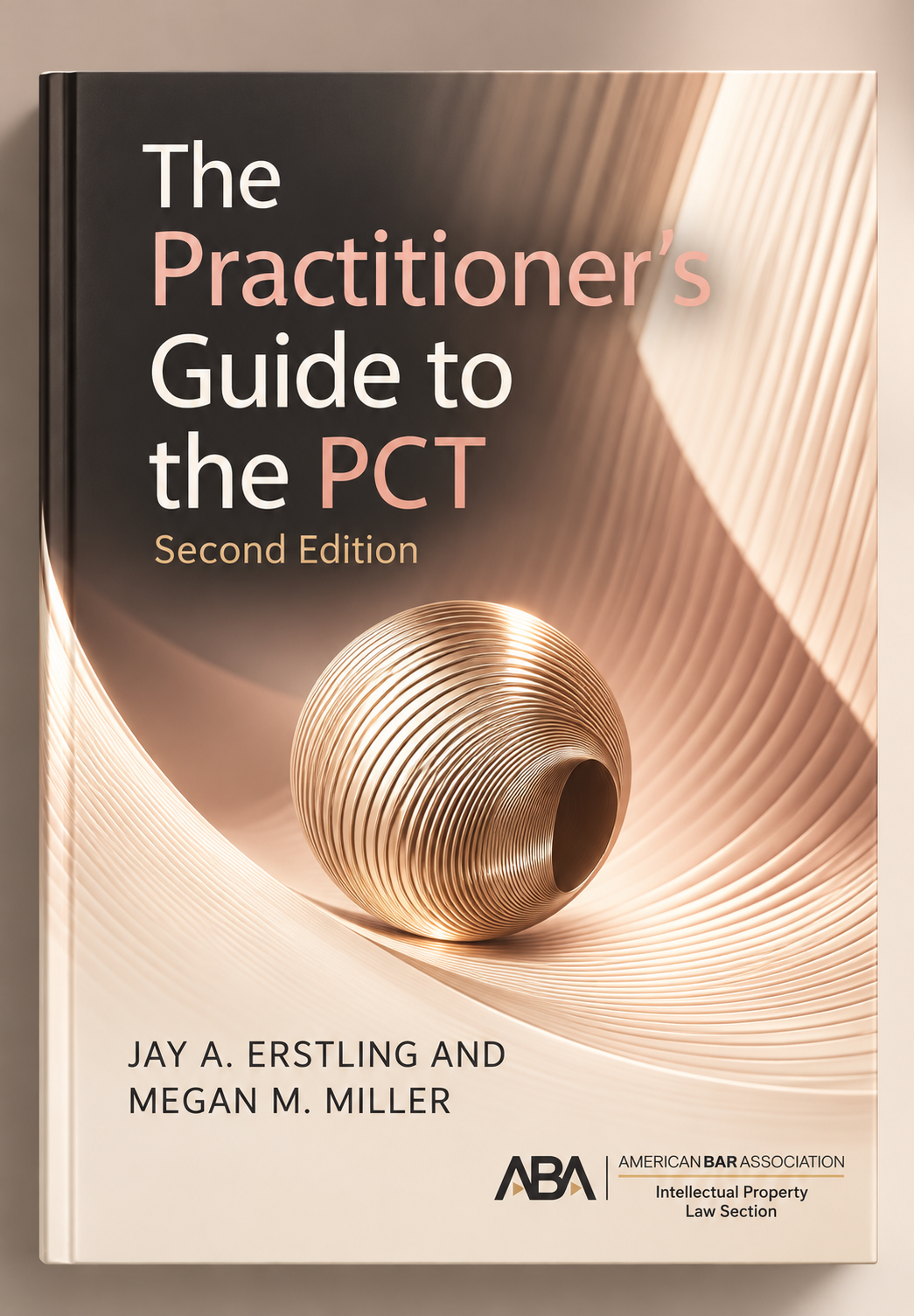
The Practitioner’s Guide to PCT, 2nd Edition
American Bar Association · 2023
BOOKS
Published Works & Contributions
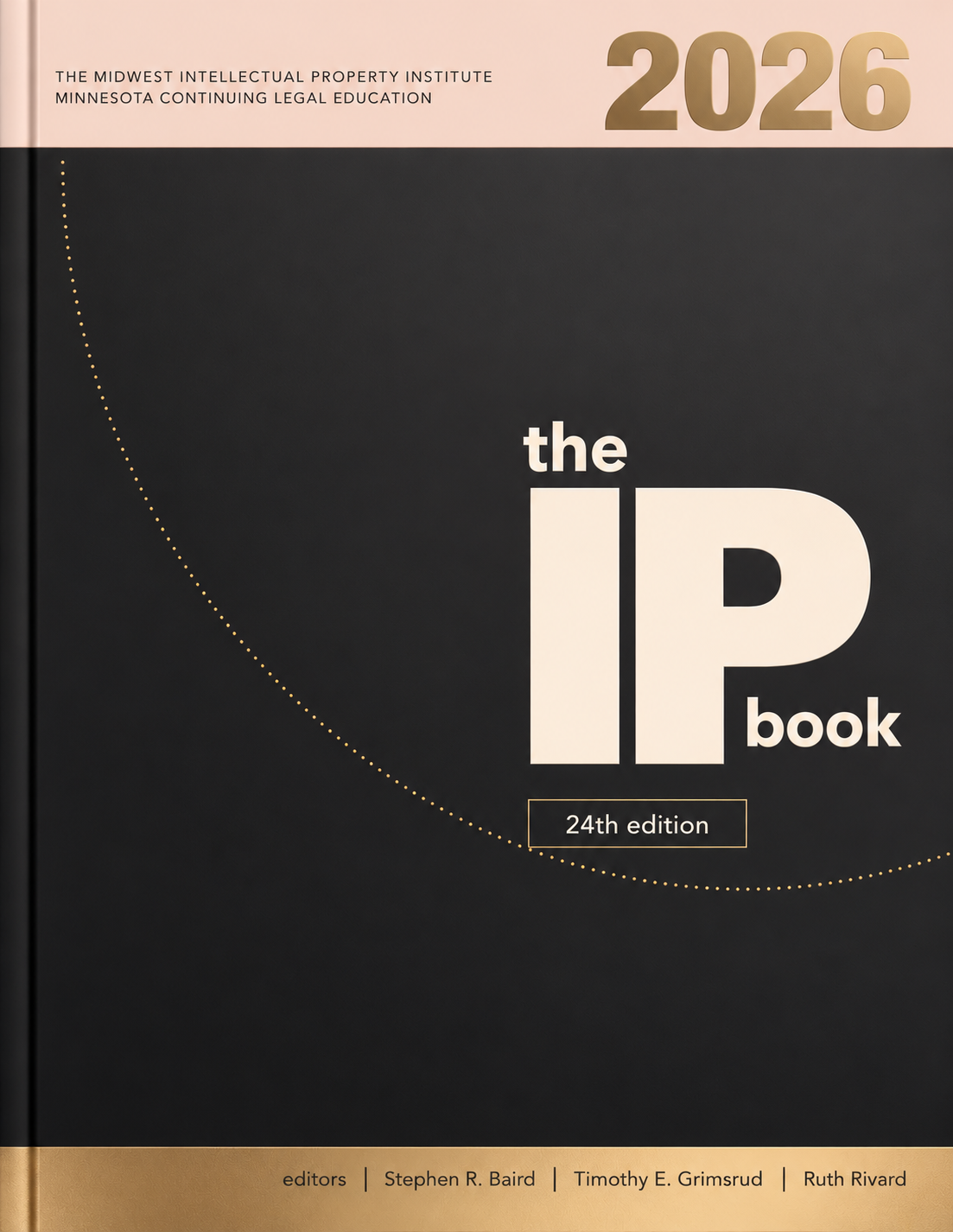
The IP Book, 24th Edition
Minnesota CLE · 2026
Contributing author · 2021-Present
IN THE PRESS
LATEST INSIGHTS
Writing, Analysis, Speaking, and Commentary
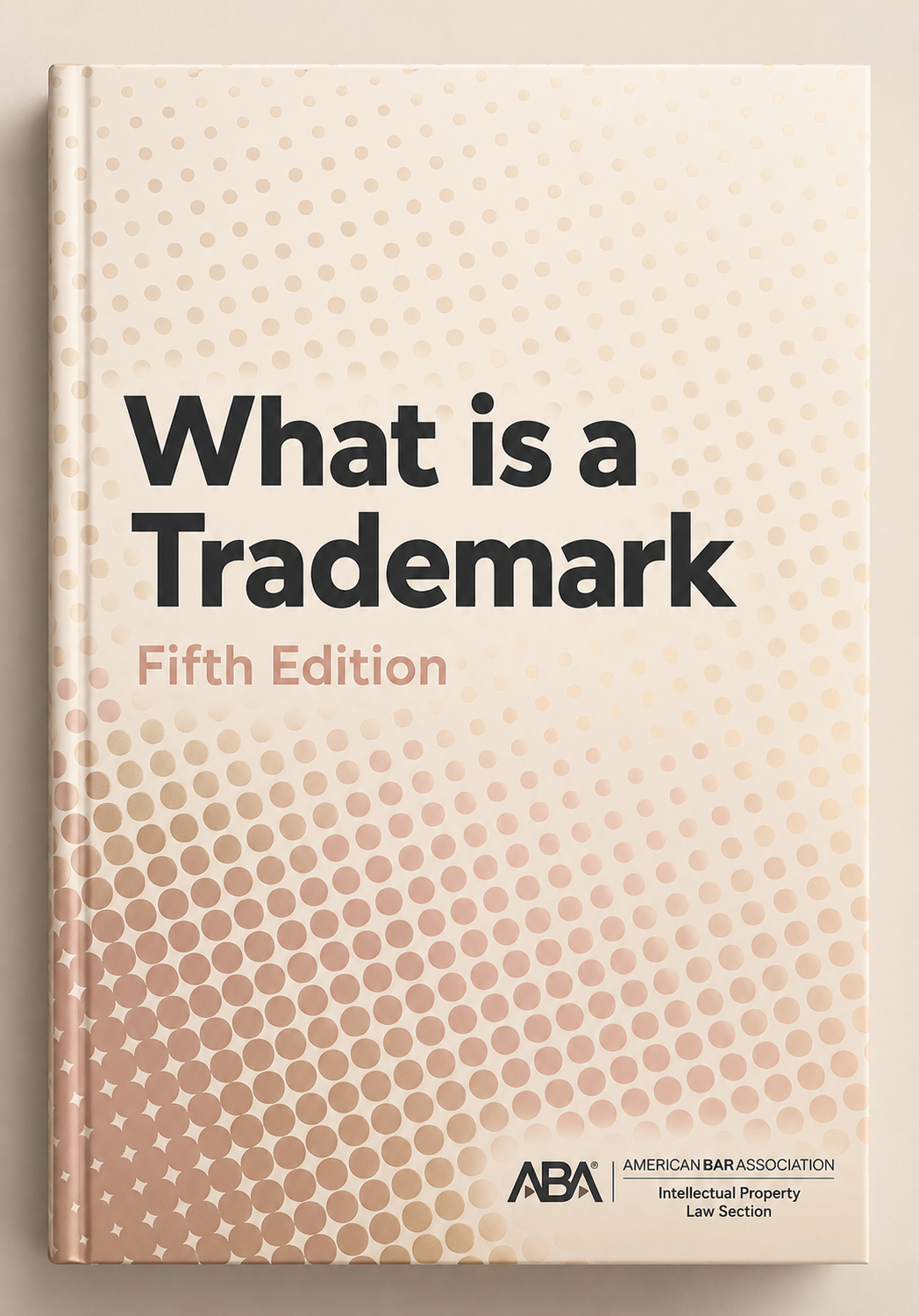
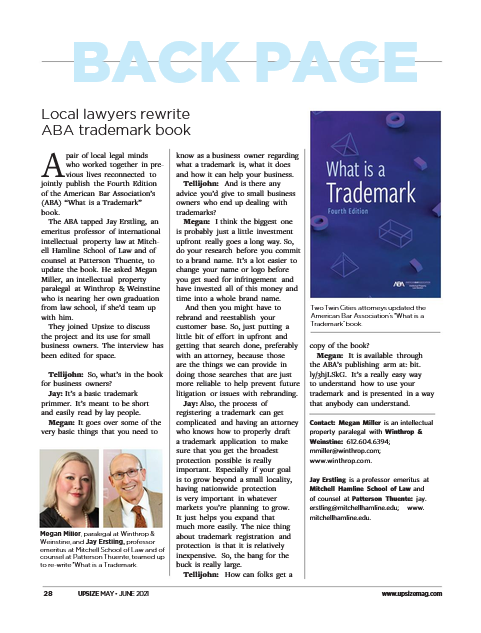
What is a Trademark, 5th Edition
American Bar Association · 2024
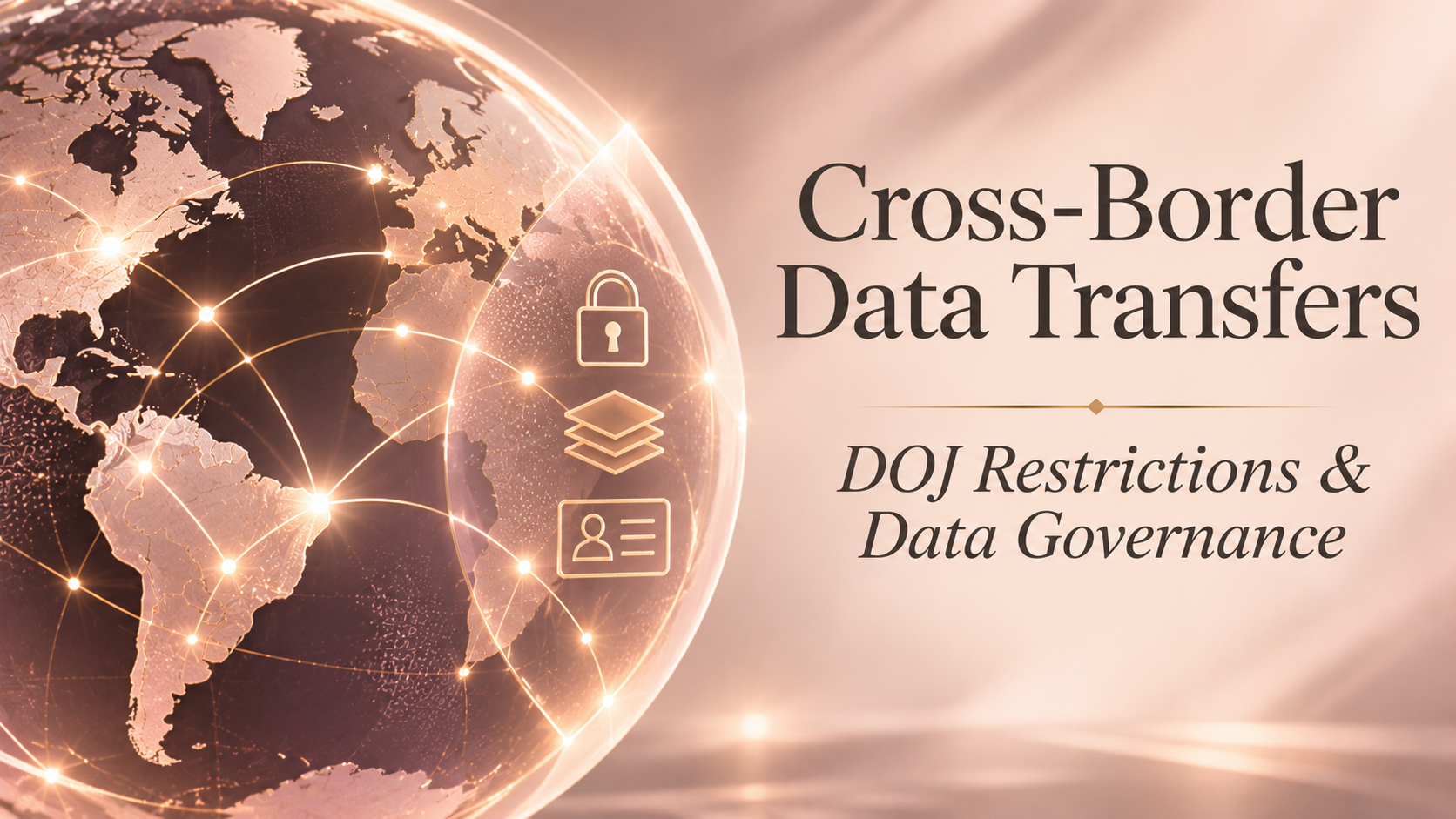
New DOJ Limits on Cross-Border Data Transfers Prompt Assessment by Businesses
JDSupra, 3 April 2025.
An examination of the U.S. Department of Justice's new restrictions on cross-border transfers of sensitive personal and government-related data to countries of concern. The article explores how the rule affects businesses handling financial, healthcare, biometric, genomic, and geolocation information, with particular implications for AI developers, advertising technology companies, data brokers, and multinational organizations.
We outline practical compliance considerations, including data-flow assessments, vendor due diligence, contractual safeguards, and coordination with existing U.S. and international privacy requirements. The article emphasizes the importance of understanding not only what data an organization collects, but also who can access it and where it ultimately travels.
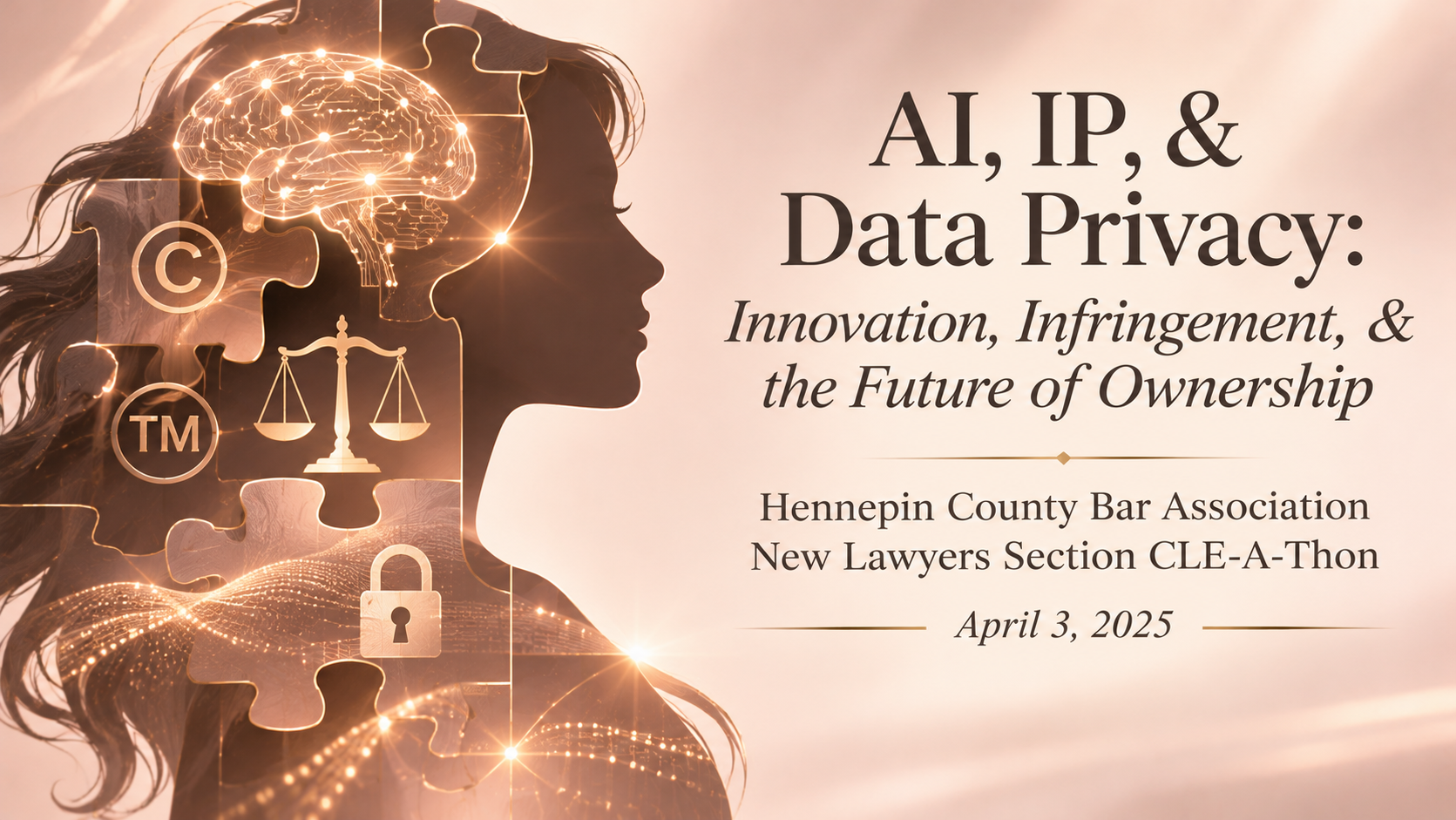
AI, IP, & Data Privacy: Innovation, Infringement, & the Future of Ownership
Hennepin County Bar Association's New Lawyers Section CLE-A-Thon, 3 April 2025.
Presented by Megan M. Miller and Rudolph A. Schoenecker, this CLE explores the evolving intersection of artificial intelligence, intellectual property, and data privacy law. We will examine emerging legal challenges involving AI-generated works, copyright infringement and fair use, patent inventorship, and the use of protected data in AI training and operations.
The discussion also addresses the opportunities and risks AI presents for legal practitioners and their clients, including confidentiality, algorithmic bias, cybersecurity, professional responsibility, and compliance with emerging U.S. and international regulatory frameworks. Emphasis is placed on practical considerations for evaluating AI technologies, protecting intellectual property and sensitive information, and navigating an increasingly complex legal landscape.