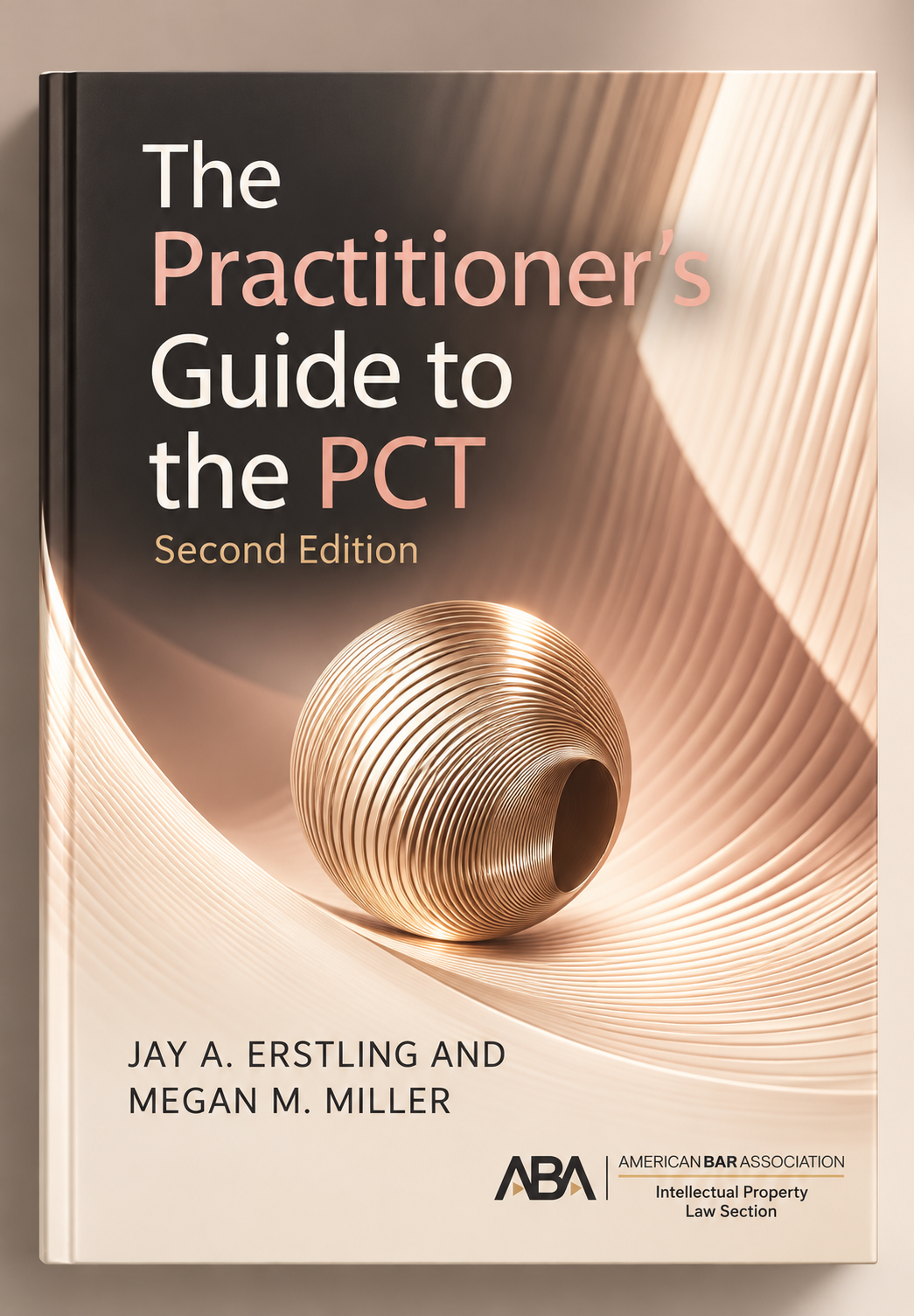
The Practitioner’s Guide to PCT, 2nd Edition
American Bar Association · 2023
BOOKS
Published Works & Contributions
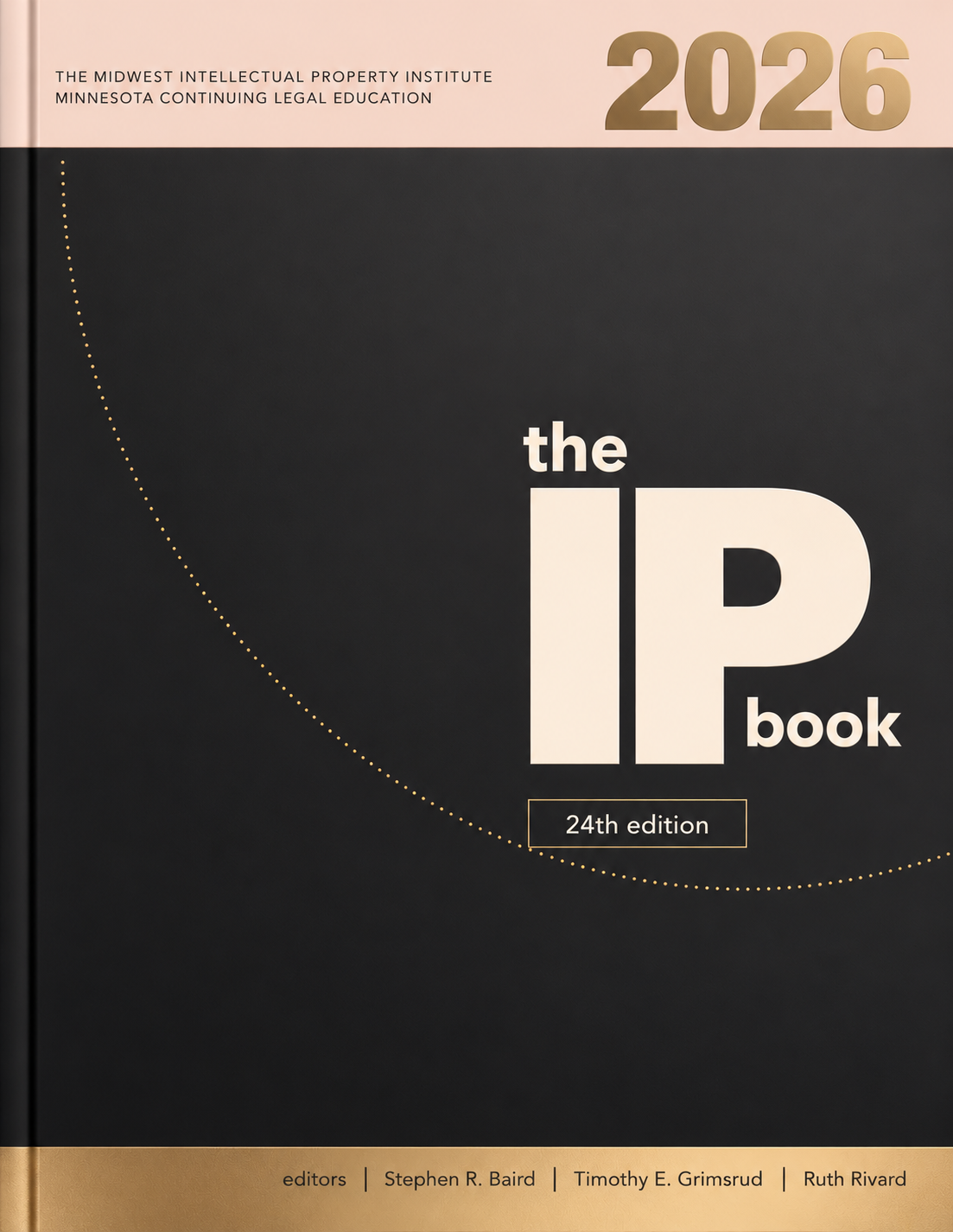
The IP Book, 24th Edition
Minnesota CLE · 2026
Contributing author · 2021-Present
IN THE PRESS
LATEST INSIGHTS
Writing, Analysis, Speaking, and Commentary
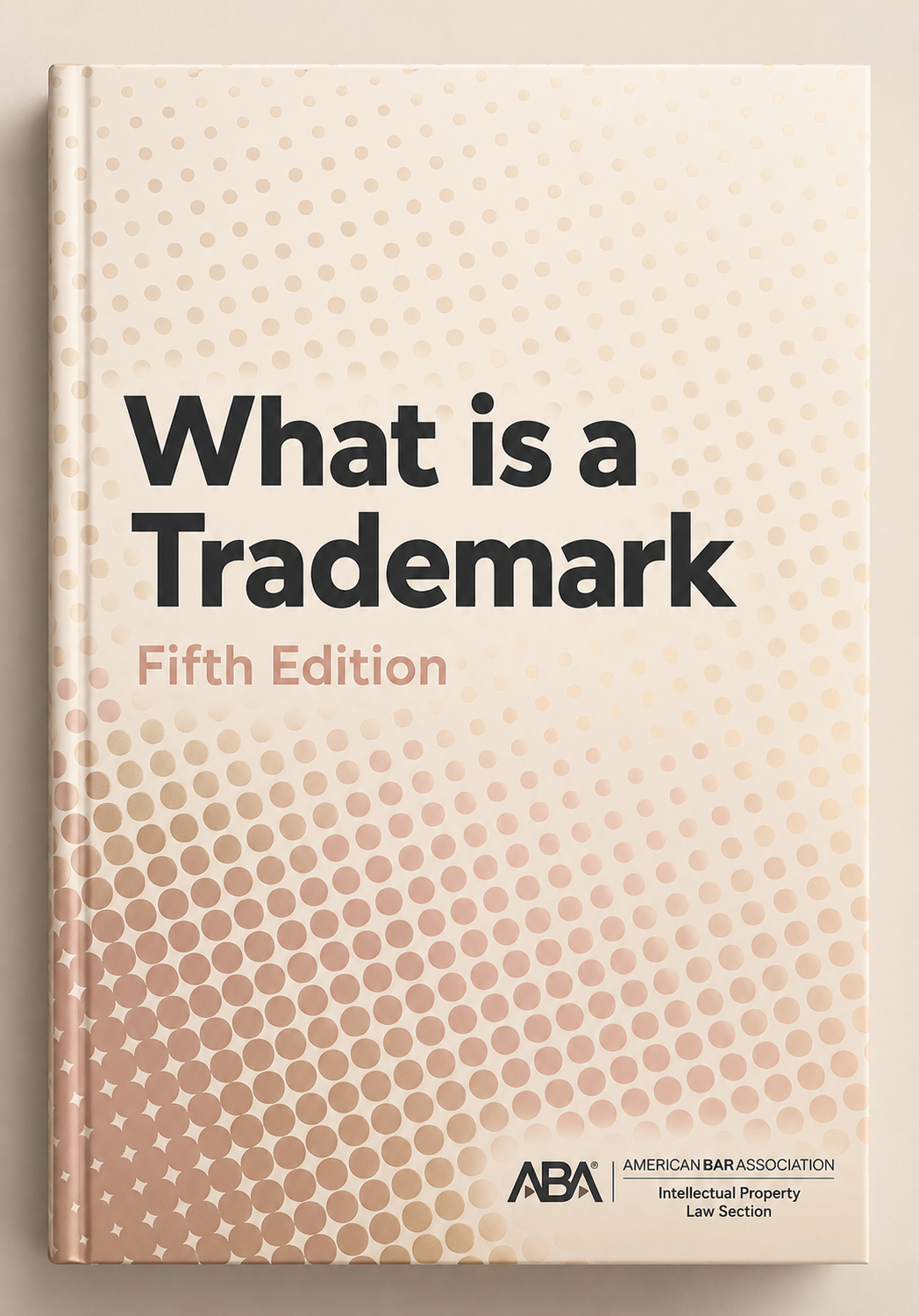
What is a Trademark, 5th Edition
American Bar Association · 2024
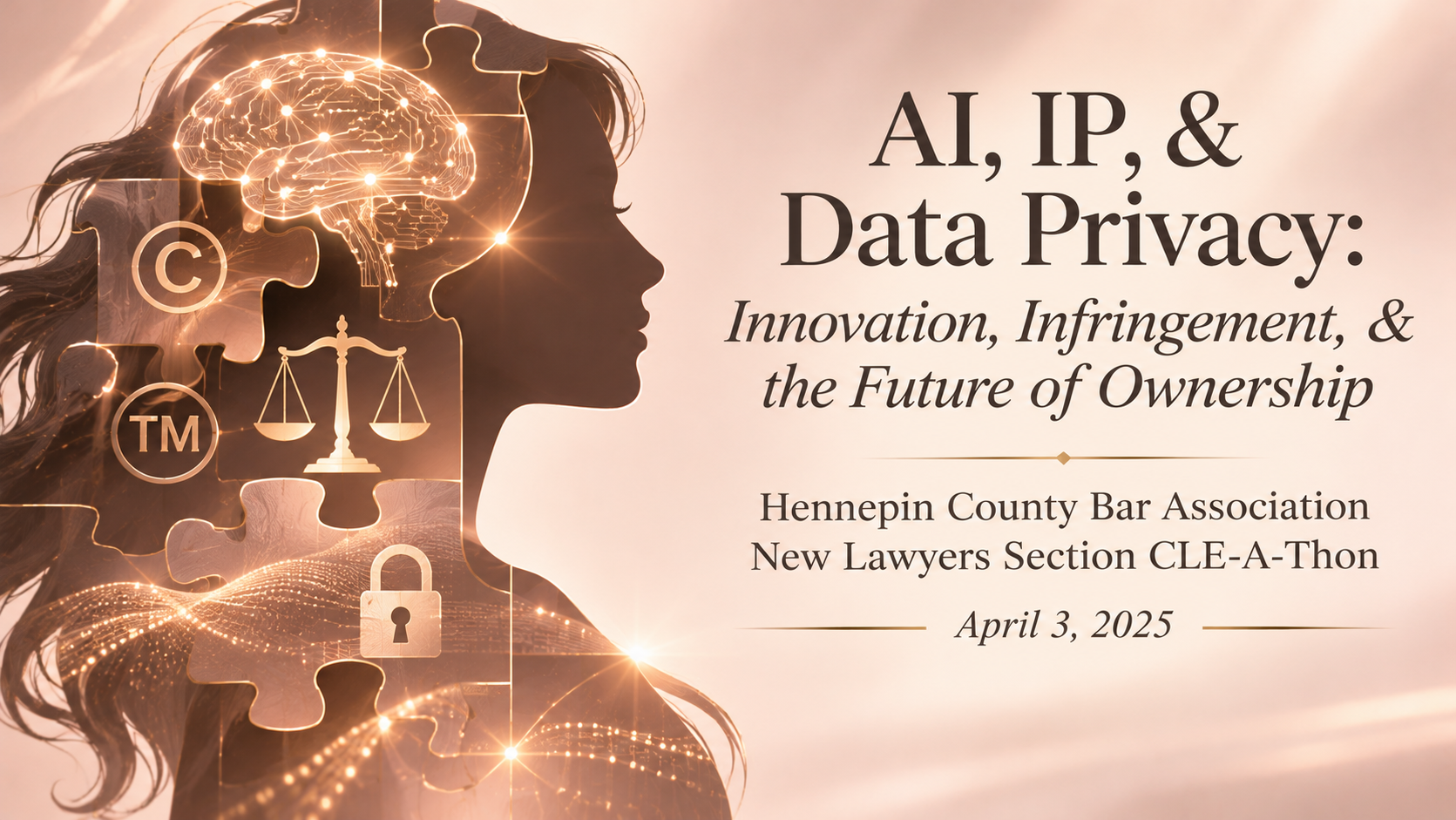
AI, IP, & Data Privacy: Innovation, Infringement, & the Future of Ownership
Hennepin County Bar Association's New Lawyers Section CLE-A-Thon, 3 April 2025.
Presented by Megan M. Miller and Rudolph A. Schoenecker, this CLE explores the evolving intersection of artificial intelligence, intellectual property, and data privacy law. We will examine emerging legal challenges involving AI-generated works, copyright infringement and fair use, patent inventorship, and the use of protected data in AI training and operations.
The discussion also addresses the opportunities and risks AI presents for legal practitioners and their clients, including confidentiality, algorithmic bias, cybersecurity, professional responsibility, and compliance with emerging U.S. and international regulatory frameworks. Emphasis is placed on practical considerations for evaluating AI technologies, protecting intellectual property and sensitive information, and navigating an increasingly complex legal landscape.
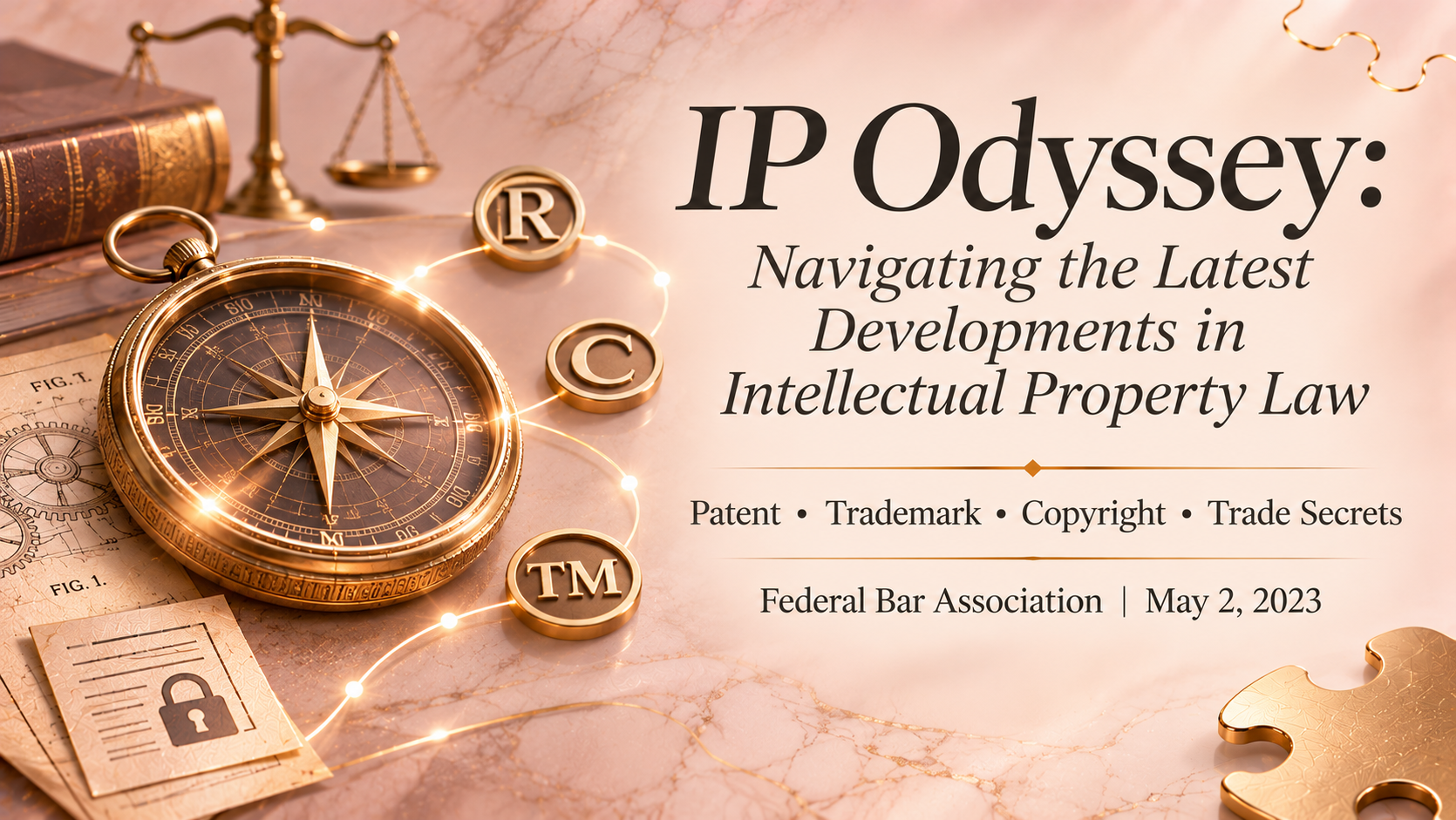
IP Odyssey: Navigating the Latest Developments in Intellectual Property Law
Federal Bar Association, 2 May 2023.
Megan M. Miller joined a panel of intellectual property practitioners for this Federal Bar Association CLE examining significant developments in patent, trademark, copyright, and trade secret law in the District of Minnesota and the Eighth Circuit.
Presenting on trademark law, Miller analyzed recent judicial decisions and emerging legal issues affecting trademark protection and enforcement. Alongside fellow panelists Kyle Kroll (trade secrets), Grant Fairbairn (copyrights), and Sheila Niaz (patents), she explored notable case developments and their practical implications for intellectual property practitioners.
The program combined case law analysis, practitioner perspectives, and audience discussion to provide a multidisciplinary overview of the evolving intellectual property landscape.

Intellectual Property Essentials for Corporate Counsel
Hennepin County Bar Association Corporate Counsel Section, 17 March 2022.
Every company has intellectual property, whether it be patents, trade secrets, copyrights, or trademarks. This CLE will provide an overview of how to evaluate a company’s intellectual property and how to determine to what extent formal protection is warranted. We’ll also cover common misconceptions as well as common mistakes (and how to avoid them).

Careers in Intellectual Property Law
ABA International Law Section, 18 November 2021.
Bringing together practitioners at different stages of their careers, the program explores pathways into intellectual property practice, including copyright, trademark, defamation, and new media law. Panelists will share their professional journeys, experiences with notable matters, and perspectives on opportunities within the field.
The discussion offers aspiring and early-career attorneys practical insight into developing an intellectual property practice, navigating career transitions, and building a career in an evolving area of law.
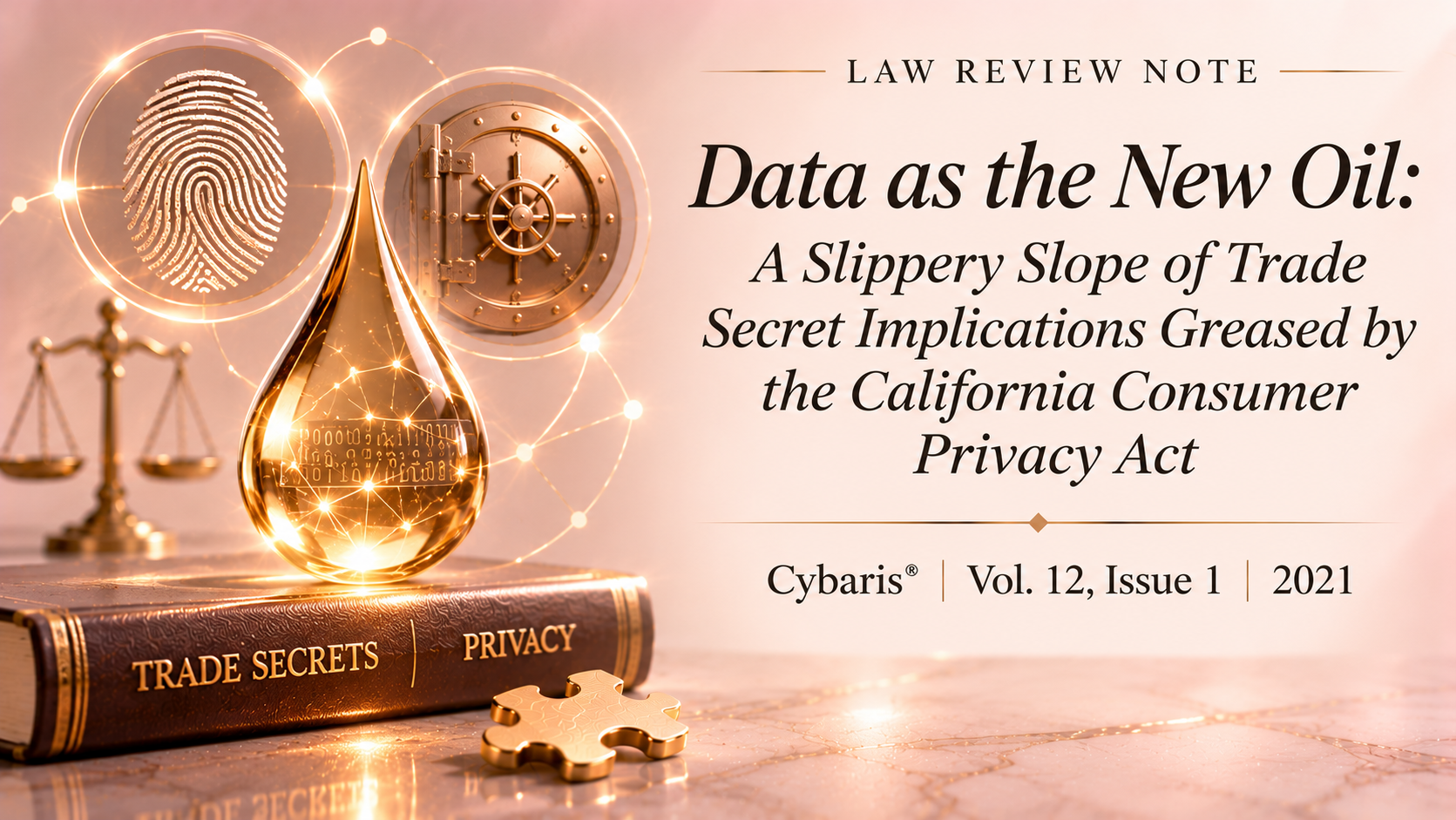
Data as the New Oil: A Slippery Slope of Trade Secret Implications Greased by the California Consumer Privacy Act
Cybaris®: Vol. 12: Iss. 1, Article 1, 2021.
In this law review note, Megan M. Miller examines the intersection of consumer privacy rights and trade secret protection under the California Consumer Privacy Act (CCPA).
Drawing comparisons to the European Union's General Data Protection Regulation (GDPR), the article explores the potential tension between consumers' rights to access information about their personal data and businesses' interests in protecting commercially valuable information, including customer lists, proprietary algorithms, and data-driven processes.
The note considers the legal implications of compelled disclosures and raises a fundamental question at the intersection of privacy and intellectual property law: how should the law balance an individual's right to information about their personal data against a business's interest in protecting its trade secrets?